Bright sunlight can change within minutes. A shaded street may become a reflective beach, open road, or snowy trail. Tint Adjustable Sunglasses can respond to these changes, but convenient lenses are not automatically high quality. Buyers should examine optical clarity, UV protection, frame comfort, and adjustment speed before trusting a pair outdoors.
This guide presents seven practical tips for choosing Tint Adjustable Sunglasses with greater confidence. It considers lens technology, visible-light transmission, polarization, battery needs, and prescription compatibility. A qualified optician can explain whether the lenses suit your eyes and daily activities. Look for clear product specifications and dependable testing information, rather than relying on dramatic marketing claims. Darker lenses do not necessarily block more ultraviolet radiation. That detail is easy to miss.
Personal use also matters. A cyclist may need rapid changes when entering a shaded tunnel. A driver may prefer lenses that remain stable behind a windshield. Someone near water may value glare reduction more than maximum darkness. Try the frame for several minutes. Check pressure around your nose and temples. Small discomfort becomes irritating after a full afternoon.
No product is perfect. Some adjustable lenses react slowly in cold weather, while others require charging or manual controls. I have found that buyers often focus on appearance first, then regret ignoring weight and fit. That choice deserves a second look. These tips are designed to support careful comparison, realistic expectations, and safer everyday eyewear decisions.
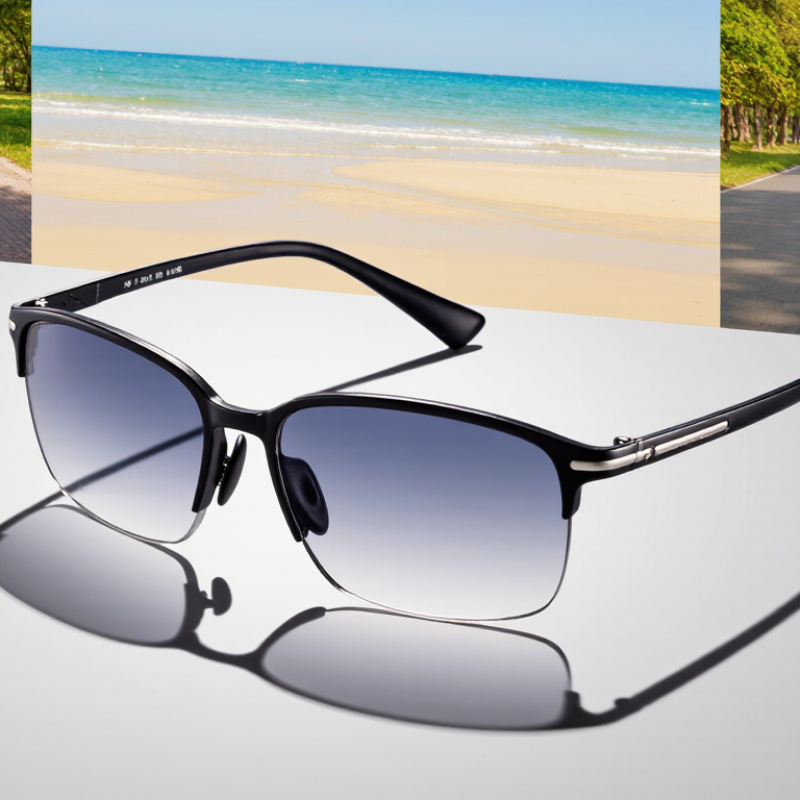
Tint-adjustable sunglasses change darkness with light intensity. They can improve comfort during commutes, hiking, and changing weather.
Tip 1: Check UV protection separately. Dark lenses may still provide weak ultraviolet protection. The World Health Organization estimates that UV exposure may cause up to 20% of cataracts globally.
Tip 2: Look for UV400 or tested 100% UVA and UVB protection.
Tip 3: Ask about visible light transmission. A darker lens is not always safer.
Tip 4: Consider driving conditions. Many photochromic lenses darken less inside vehicles because windshields block ultraviolet light.
Tip 5: Match the tint to your routine. Gray usually preserves natural colors, while brown can improve contrast. Yellow may help in low light, but it can distort color perception.
Tip 6: Check the adjustment speed. Some lenses lighten slowly after entering a bright room. That delay matters in tunnels and shops.
Tip 7: Inspect fit and coverage. Frames should sit close without touching your cheeks. The Vision Council’s 2023 Consumer Insights report found that about 80% of U.S. adults own sunglasses, making fit and daily use important purchasing factors.
A poor fit still ruins good optics.
One limitation deserves attention: tint technology varies widely between products. Ask for laboratory test results, not only packaging claims.
I would also recheck lens performance after repeated cleaning, because scratches and coating wear can change comfort.
7 Tips for Buying Tint Adjustable Sunglasses
Choosing the right lens tint starts with your usual light conditions. For bright beaches or snow, darker gray or brown lenses reduce harsh glare comfortably. Gray keeps colors natural, while brown can improve contrast on trails and changing roads. Yellow or amber lenses may help in cloudy conditions, but they can distort colors. Do not treat them as night-driving lenses.
Tint-adjustable sunglasses are useful when light changes quickly. Look for lenses that shift smoothly from light to dark. Check how fast they react outdoors, not only under store lighting. A reliable pair should offer certified UV protection, regardless of tint darkness. Dark lenses without proper UV protection can be misleading and uncomfortable. Read the product specifications carefully.
Your activity matters as much as the weather. Cyclists may prefer contrast-enhancing tints, while anglers often benefit from polarized lenses that reduce water glare. For driving, choose a tint that preserves traffic-light colors and remains sufficiently clear in tunnels. I once picked a very dark lens for a long hike. It felt comfortable at noon but became inconvenient under tree cover. That mistake changed my buying habits. Fit, eye coverage, and adjustment speed deserve equal attention. Test the glasses while moving between shade and sunlight, because real conditions rarely stay perfect.
The chart uses the midpoint of the visible light transmission ranges commonly assigned to sunglass filter categories under EN ISO 12312-1. A higher percentage means lighter lenses and more light reaching the eyes; a lower percentage means darker lenses.
7 Tips for Buying Tint Adjustable Sunglasses
Look for clear evidence of 99–100% UVA and UVB protection, not merely a dark lens. Tint depth is not proof of safety. Ask whether the lenses meet recognized optical safety standards. If the seller cannot provide test details, pause before purchasing. Outdoor experience has taught me this simple rule: bright color can mislead.
Test glare reduction near water, glass buildings, or a sunlit road. Polarized lenses can reduce reflected glare and make details easier to see. However, they may affect the readability of some digital displays. Check the adjustable tint in both shade and direct sunlight. It should change smoothly, without distracting patches or sudden visual discomfort. Do not judge performance indoors alone.
Optical quality matters during movement. Hold the sunglasses at arm’s length and inspect straight window frames through each lens. Warped lines suggest distortion. Move your head slowly, then check whether objects remain sharp at the edges. Examine hinges, lens surfaces, and nose contact points for rough finishing. A comfortable fit also prevents light from leaking around the frame. I once focused too much on appearance and ignored edge blur. That shortcut was a mistake. Consider a return policy, especially when the tint mechanism feels slow or inconsistent.
Tint-adjustable sunglasses can be useful when light changes quickly, but adjustment methods behave differently. Photochromic lenses darken outdoors under ultraviolet light and fade indoors. They may react slowly in cold weather. They can also remain lighter inside a vehicle because windshields block much ultraviolet exposure. Electronic lenses offer more controlled shading, yet they need charging and may feel less convenient during travel. Manual adjustment is simple, but it requires stopping to change the setting.
Fit matters more. Choose a frame that sits securely without pressing your temples. The bridge should touch comfortably, not slide when you bend forward. Check that your eyelashes do not brush the lenses. A slightly curved frame can reduce side glare, but excessive curve may distort peripheral vision. Ask an optical professional to measure your pupillary distance when possible. Small errors can create eye strain.
Comfort appears after hours, not minutes. Wear the glasses while walking, reading, and looking at a bright window. Test them indoors. Notice pressure behind your ears. I once preferred a very light frame, then discovered it slipped during warm-weather walks. That mistake changed my priorities. Check lens clarity, hinge movement, and adjustment response before buying. No method is perfect. A practical choice balances reliable tint changes, stable fit, and comfort you can maintain every day.
When buying tint adjustable sunglasses, inspect the frame before admiring the color change. I once chose a flexible pair that felt comfortable, but its hinges loosened after several weeks. Check the arms, nose bridge, and lens edges for gaps, sharp corners, or weak connections. Smooth adjustment matters, but solid construction matters more.
A darker lens is not automatically safer. Look for documented protection against UVA and UVB radiation, plus compliance with applicable regional safety standards. Ask whether the lenses were tested for optical quality and impact resistance. Vague claims should make you cautious. The tint should change evenly, without cloudy patches or distracting color shifts. Test the adjustment outdoors and indoors. Small details count.
Price should reflect materials, testing, replacement support, and construction. The cheapest option may become expensive after one damaged hinge. Yet a high price does not prove better protection. Compare written specifications instead of relying on appearance. Read the warranty before paying. Confirm its length, covered parts, repair or replacement process, and exclusions for scratches, accidental damage, or normal wear. Keep the receipt and product information. I sometimes overlook those documents, which makes later claims unnecessarily difficult. A clear warranty is useful evidence of the seller’s confidence, but it cannot replace careful inspection.
They change lens darkness as light intensity changes. They can feel comfortable during commutes, hikes, and shifting weather.
No. Darkness can mislead you. Check for UV400 or tested 100% UVA and UVB protection separately.
Review UV protection, visible light transmission, adjustment speed, fit, coverage, and laboratory test results.
They can help, but many lenses darken less inside vehicles. Windshields often block ultraviolet light.
Gray usually preserves natural colors. Brown can improve trail contrast. Yellow or amber may help cloudy conditions, but may distort colors.
No. Yellow and amber lenses are not automatically suitable for night driving. They may change color perception.
They should shift smoothly between shade and sunlight. Slow lightening can feel inconvenient in tunnels, shops, or covered walkways.
Frames should sit close without touching your cheeks. They should cover your eyes comfortably while you move.
Yes. Move between sunlight and shade. Store lighting may not show real adjustment speed.
I once chose very dark lenses for a long hike. They felt good at noon but struggled under tree cover.
Tint Adjustable Sunglasses offer a practical way to manage changing light conditions while maintaining visual comfort throughout the day. When choosing a pair, consider how easily the tint can be adjusted and whether the available shades match your usual activities, such as driving, walking, outdoor sports, or relaxing near bright surfaces. Look for reliable UV protection, effective glare reduction, and clear optical quality to support comfortable, natural vision in different environments.
A good pair should also provide a secure, lightweight fit without creating pressure around the nose, ears, or temples. Compare adjustment methods, including manual or responsive options, and check whether the frame feels stable during movement. Durability, impact resistance, safety standards, price, and warranty coverage are equally important. By balancing lens performance, comfort, construction, and long-term value, you can select Tint Adjustable Sunglasses that suit both everyday use and changing outdoor conditions.