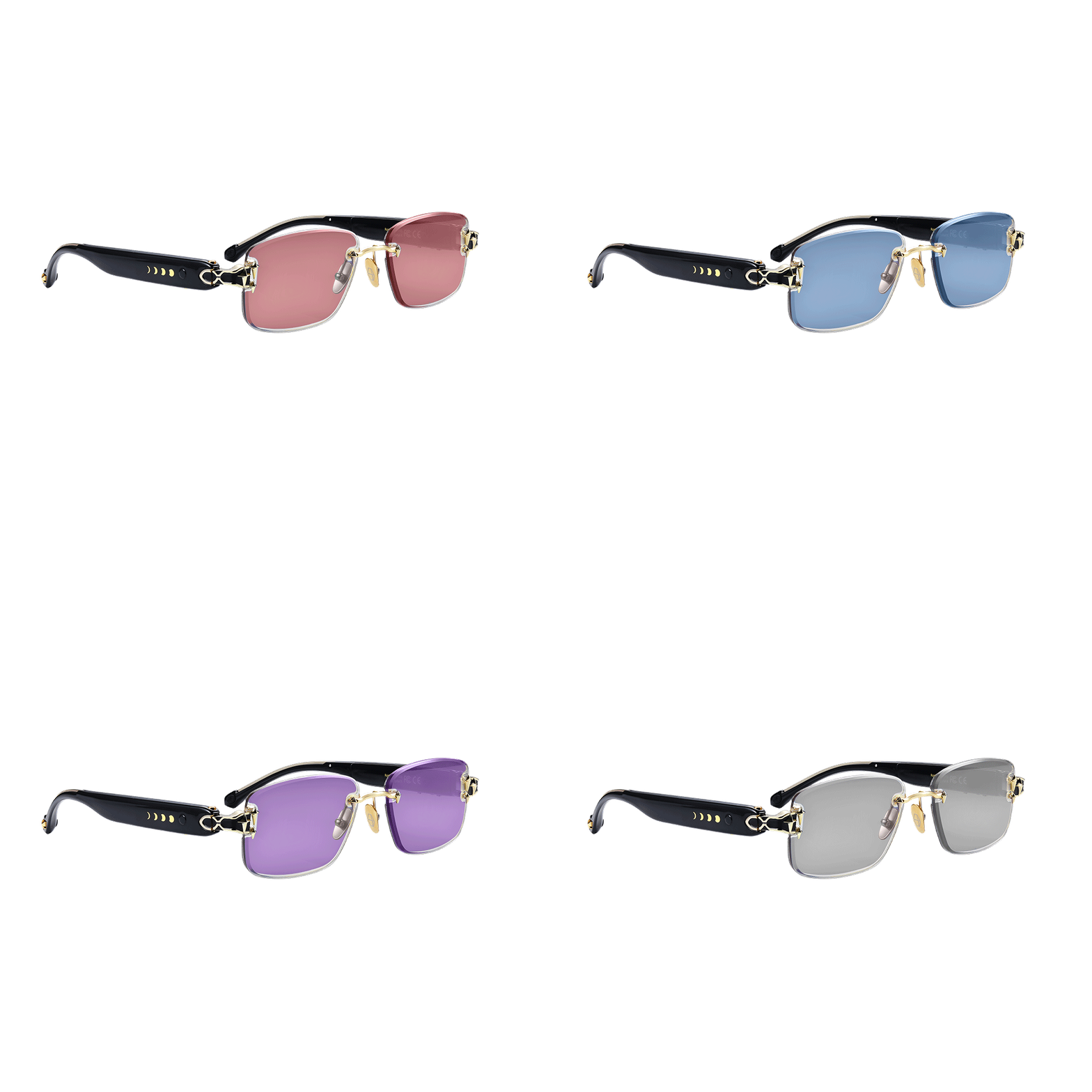
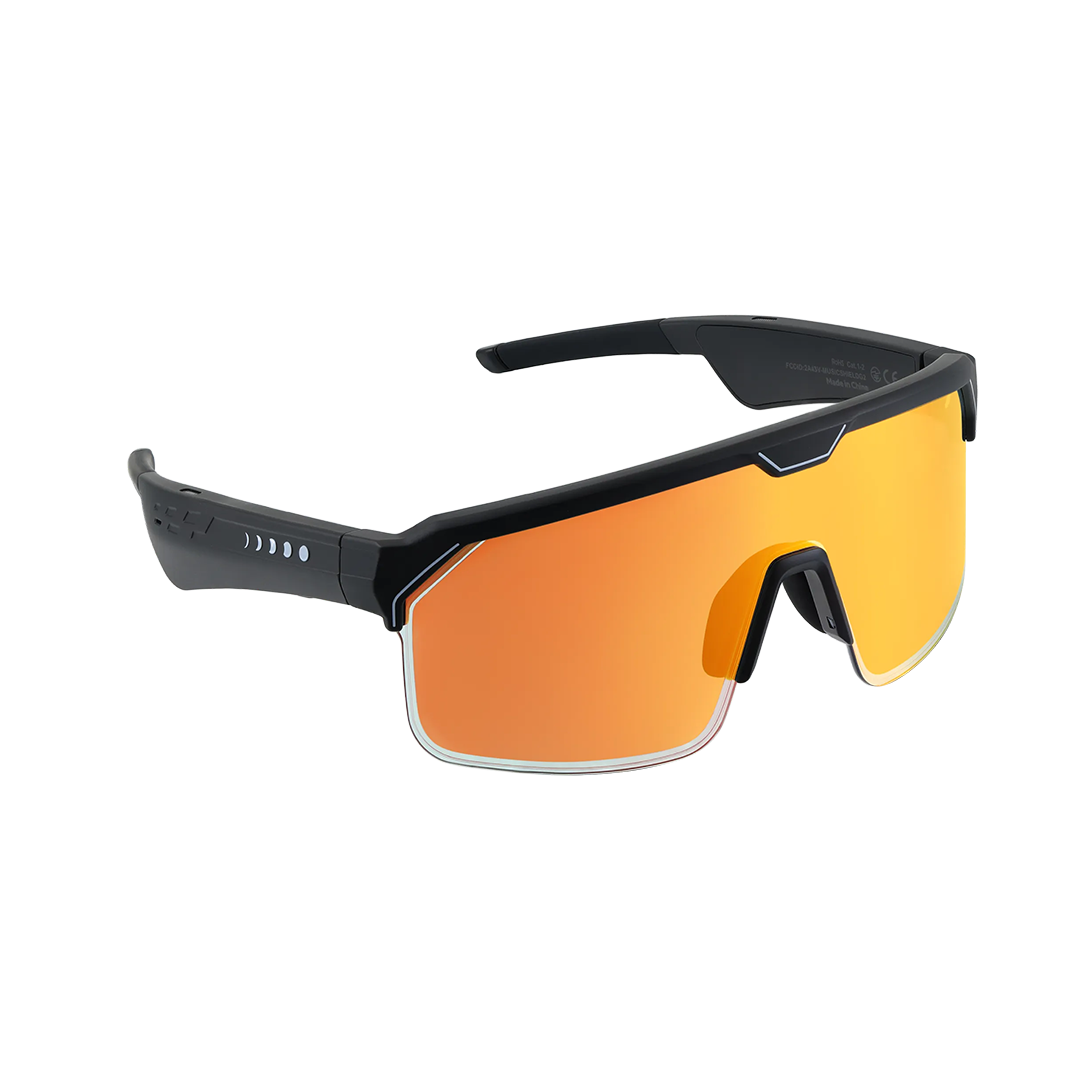
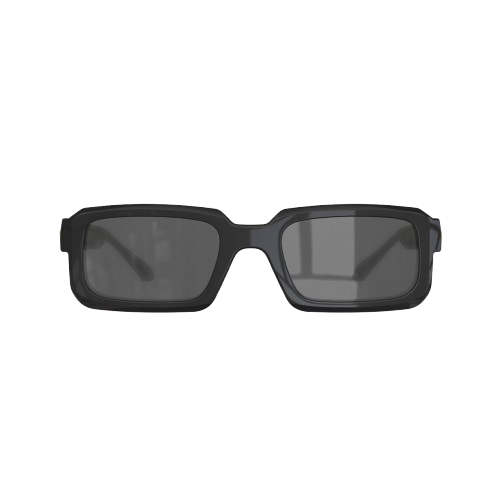
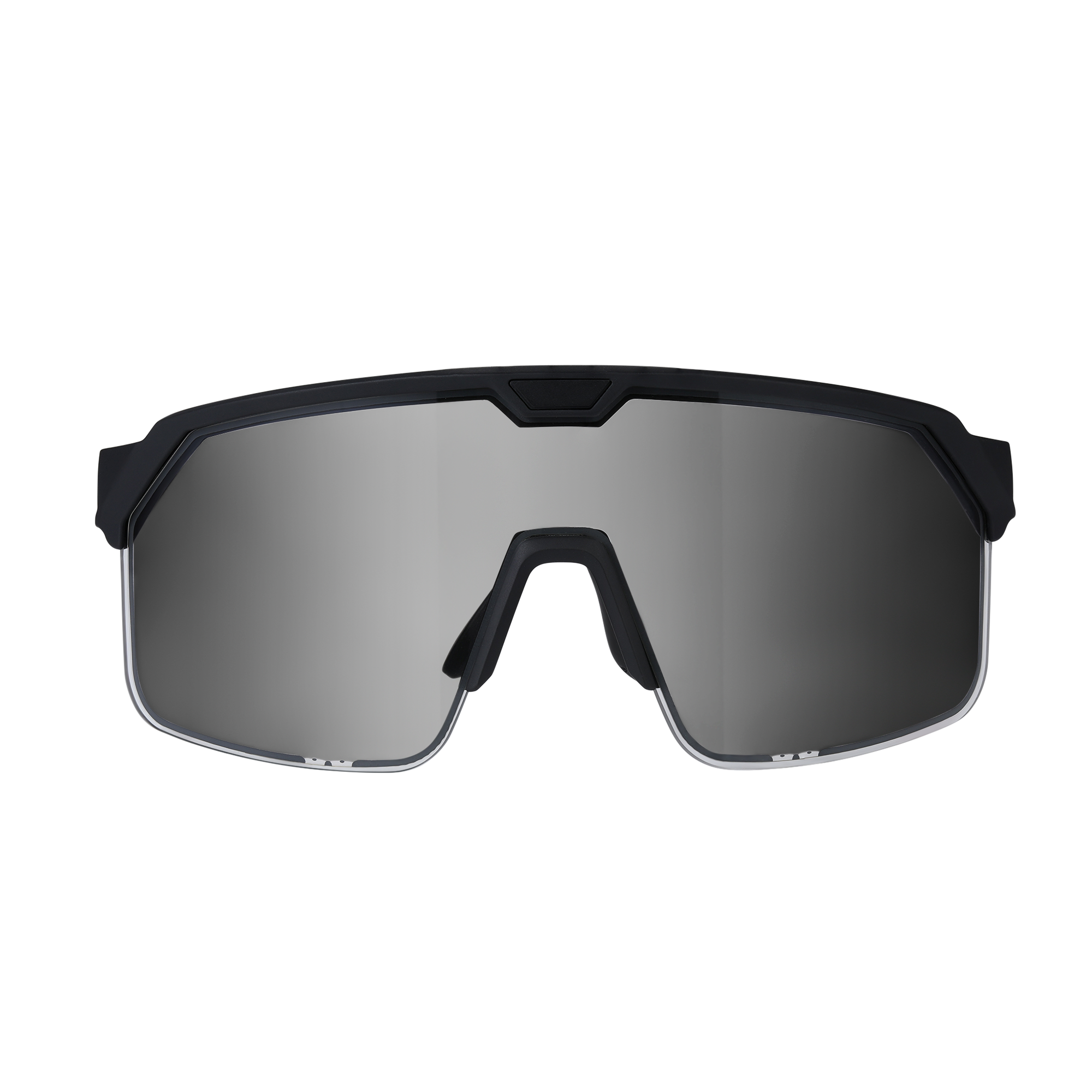
As corporate purchasing managers plan inventory strategies for upcoming product cycles, understanding the macro trends shaping Color Changing Sunglasses is essential for avoiding inventory obsolescence and maximizing return on investment (ROI). Based on global sales data from over 100,000 retail units and market feedback across North America, Europe, and Asia-Pacific, Chamelo's market research team has identified four pivotal procurement vectors:
1. Rapid Convergence of Active Tint and Open-Ear Acoustics
Stand-alone polarized or static tinted eyewear is facing margin compression across global retail markets. Sourcing managers are increasingly specifying dual-capability products that combine dynamic electrochromic light management with open-ear Bluetooth audio. Consumers view unified smart glasses as a total replacement for both standard sunglasses and wireless earbuds during outdoor commutes and athletic training, driving higher retail transaction values.
2. Mandate for Prescription (Rx) Integration in Smart Eyewear
Over 55% of global adults require vision correction. Sourcing color-changing sunglasses that cannot accommodate prescription lenses eliminates more than half of your potential TAM (Total Addressable Market). The future of enterprise procurement belongs to platforms like Chamelo’s Aura Rx, which decouple the electrochromic outer shield from the internal prescription optical insert, enabling seamless fitting by local opticians without damaging integrated electronics.
3. Transition from Passive UV Dependence to Autonomous Sensor Integration
Future iterations of electrochromic sunglasses are incorporating ambient light sensors (ALS) and micro-photovoltaic triggers directly into the frame chassis. This enables automatic tint optimization that responds to lux levels rather than UV radiation, creating a truly autonomous optical system. Distributors securing OEM/ODM contracts today are emphasizing programmable firmware that allows custom tint curves tuned for specific sports (e.g., high-contrast golf turf tracking, aquatic polarization management, and motorsport tunnel transition).
4. Strict Regulatory Compliance & Sustainability Metrics
Global regulatory bodies (FDA in the USA, CE/MDR in Europe, UKCA, and ISO standardizers) are enforcing stricter optical clarity, electromagnetic compatibility (EMC), and battery safety standards for wearable electronic eyewear. B2B buyers must partner with manufacturers whose factories hold ISO9001, BSCI, and CE/FDA optical compliance certificates to avoid port rejections, customs delays, and liability risks.