1. Transition from Static Eyewear to Smart Wearable Hardware
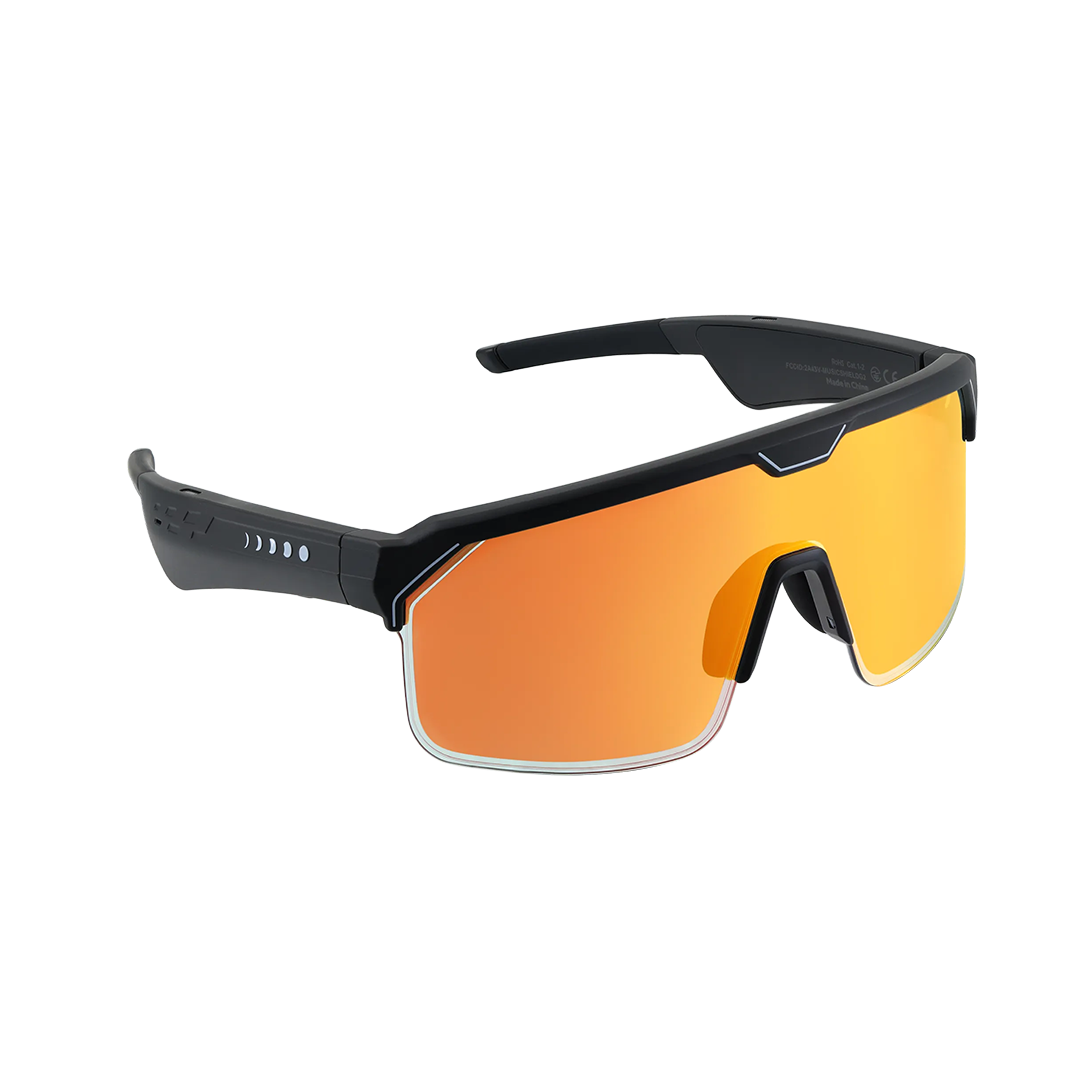
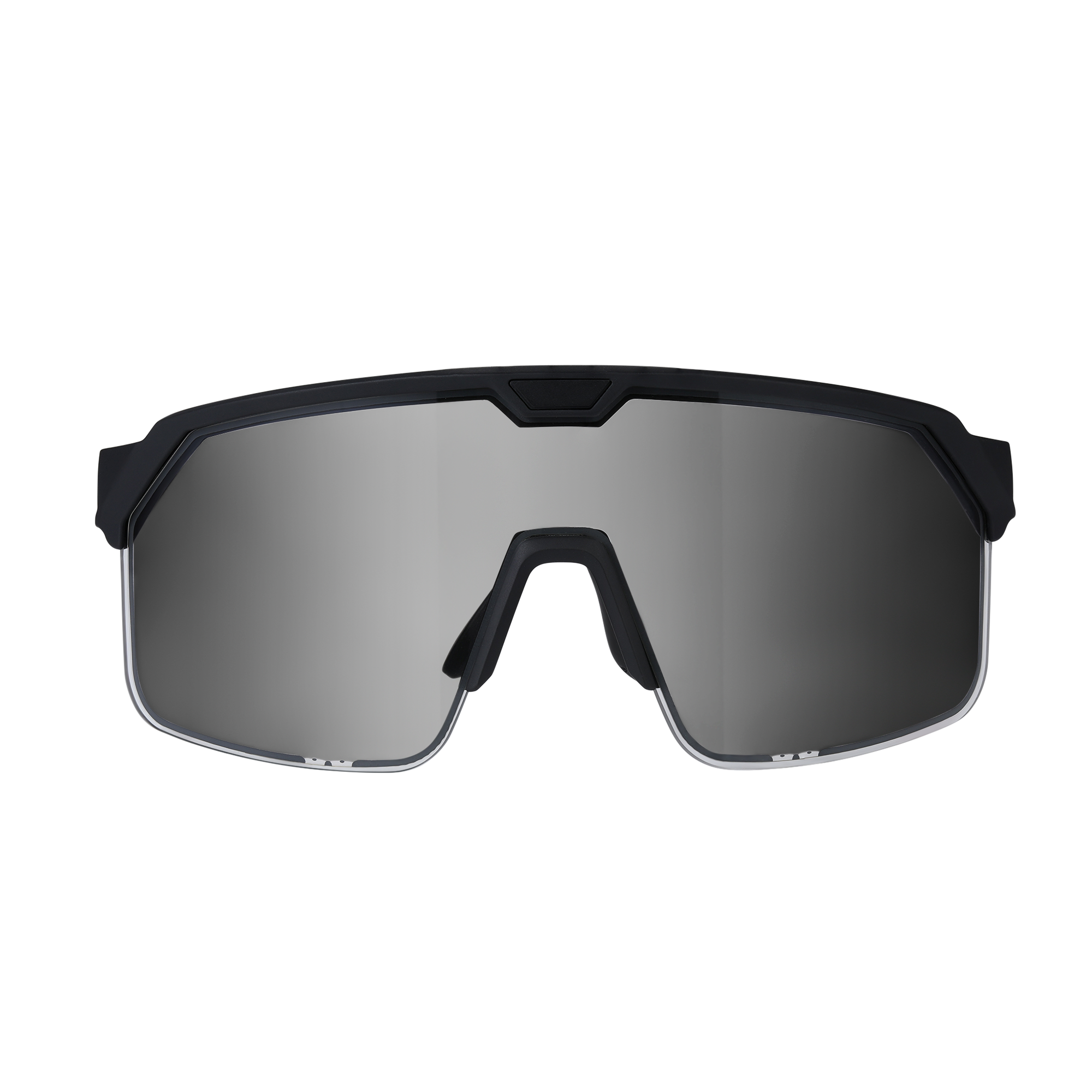
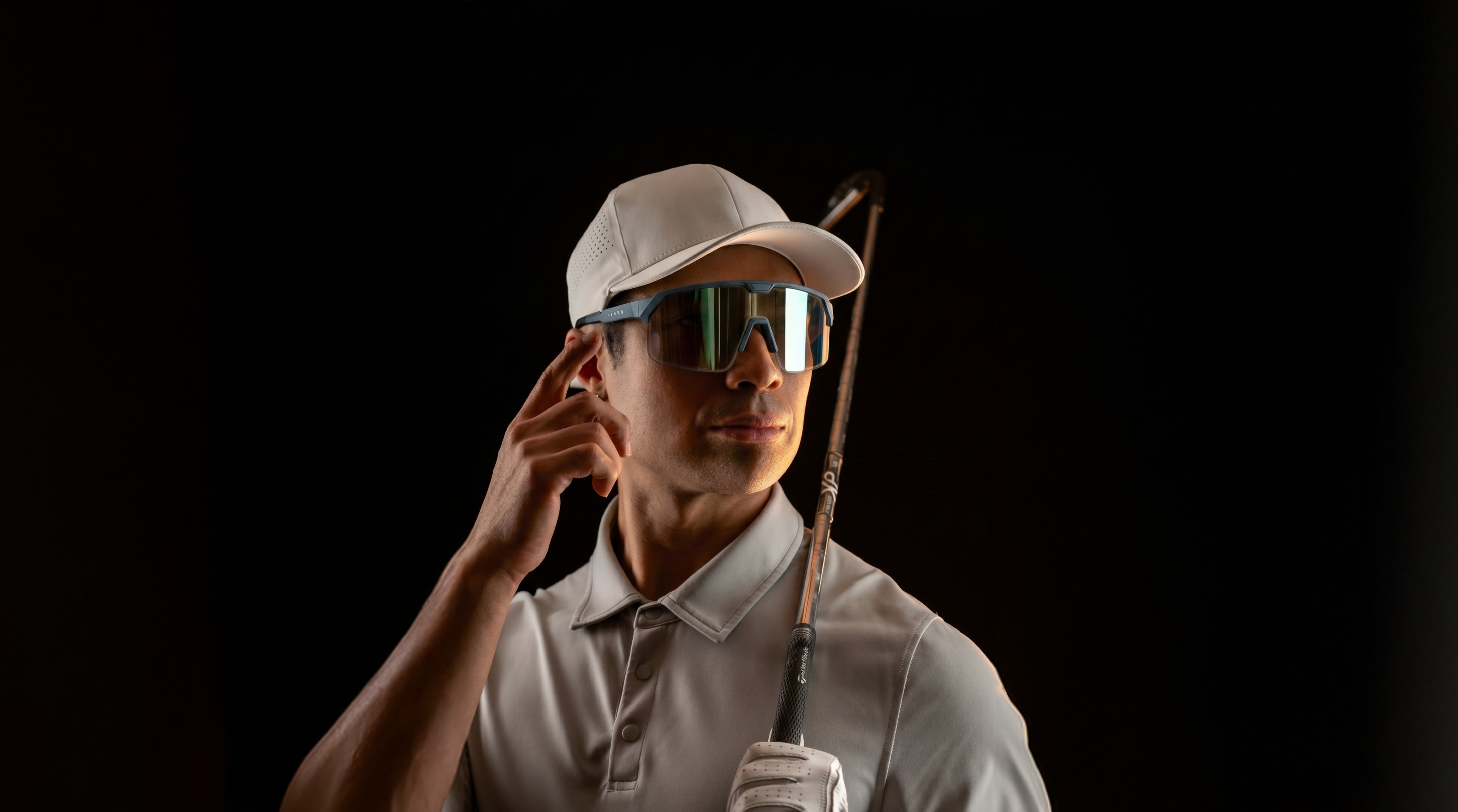
The global sports optics market is experiencing a structural pivot. Procurement data indicates that premium consumers no longer view sunglasses solely as passive fashion accessories. Instead, high wrap shield sunglasses are evaluated as functional athletic hardware. Procurement teams in Europe, North America, and East Asia are shifting inventory allocations toward frames that integrate micro-electronics, dynamic optical control, and personal audio connectivity into lightweight composite frames.
2. Escalating Demand for Prescription (Rx) Integration in Shield Geometries
Historically, high wrap shield sunglasses presented severe optical distortion when fitted with prescription lenses due to the steep Base 7+ curve creating prism imbalance and lateral blur. Future-proof product lines incorporate dedicated optical inner inserts or direct digital freeform surfacing that allows ametropic athletes to utilize high wrap shield sunglasses without compromising prescription accuracy. Enterprise buyers must prioritize manufacturers capable of providing Rx-ready shield options.
3. Supply Chain Sustainability & ESG Compliance Standards
Global retail conglomerates now require strict adherence to environmental, social, and governance (ESG) metrics. In the high wrap shield eyewear sector, this manifests as demand for bio-based TR-90 frames (utilizing castor bean oil derivatives rather than pure petrochemicals), recyclable electrochromic film polymers, mercury-free lithium-micro batteries, and minimal plastic packaging. Factory audits (BSCI, ISO 14001) are becoming mandatory prerequisites for B2B distribution contracts.
4. Convergence of AI Sensor Arrays and Automated Tint Shifting
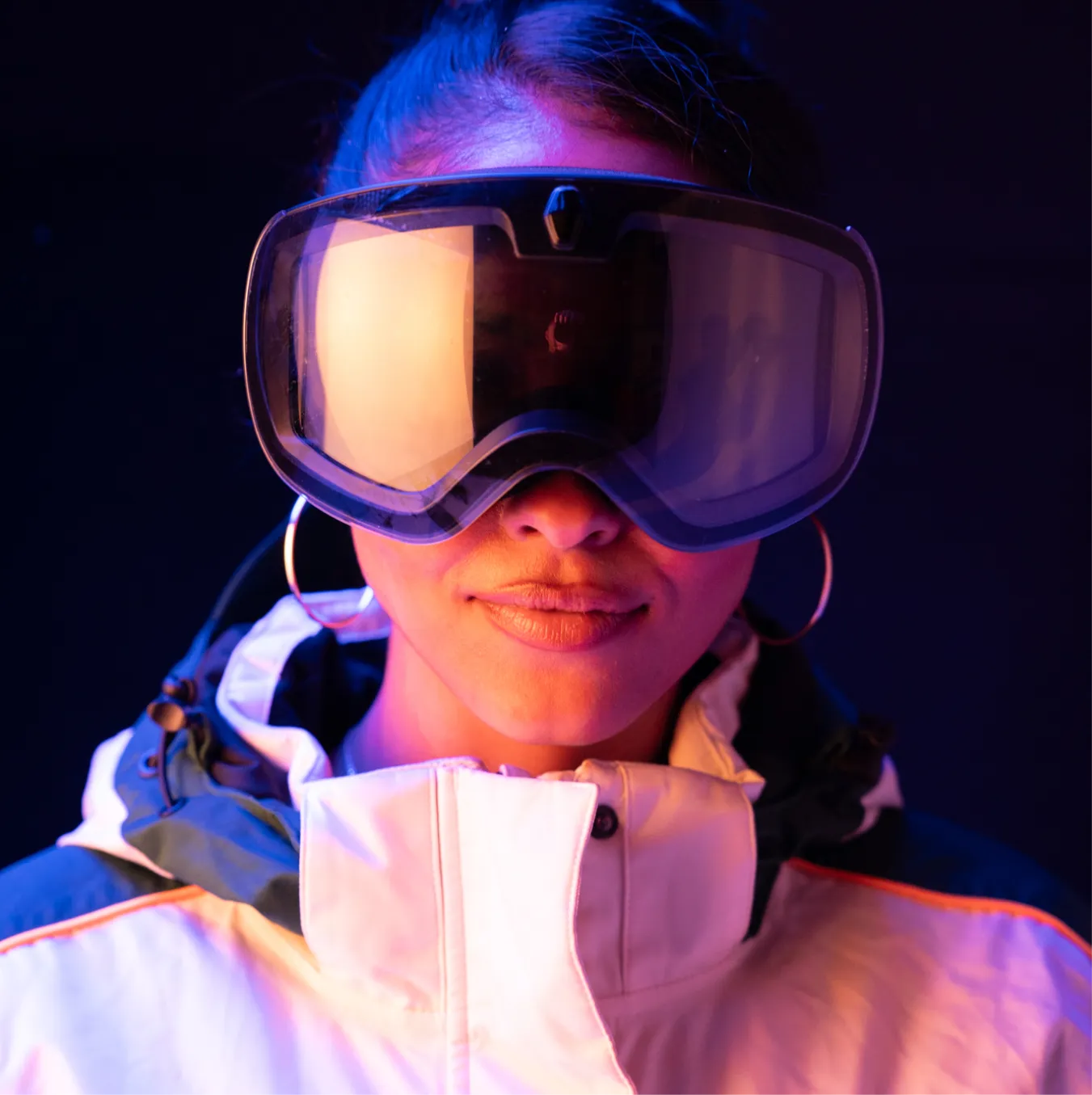
The next iteration of high wrap shield sunglasses moves beyond manual slider control to predictive light management. Embedded ambient illuminance sensors (ALS) coupled with micro-logic controllers sample surrounding UV, visible light intensity, and glare vectors 100 times per second, automatically tuning tint levels to maintain ideal contrast for the wearer. Enterprise purchasers are heavily positioning inventory toward these autonomous light-adapting platforms.