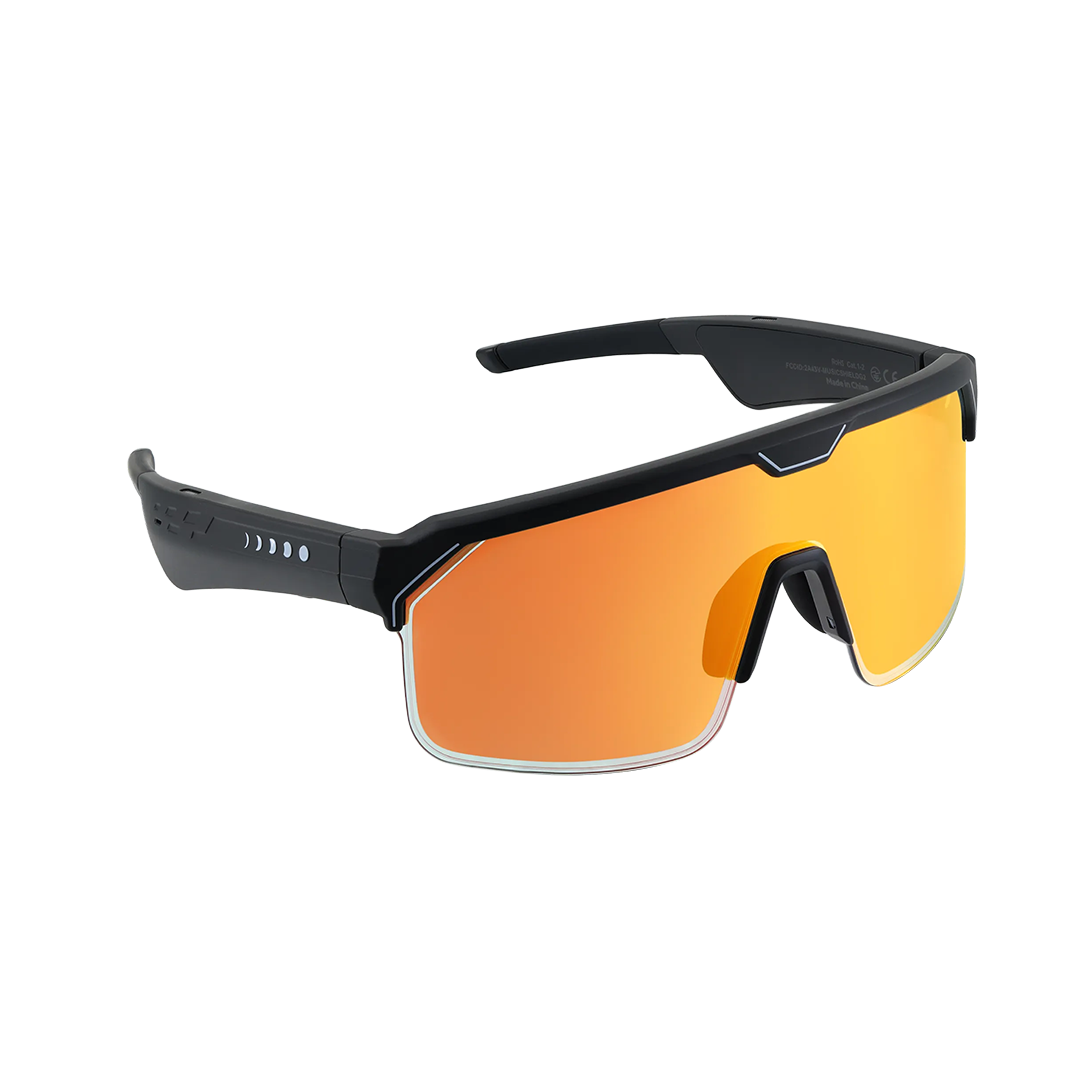
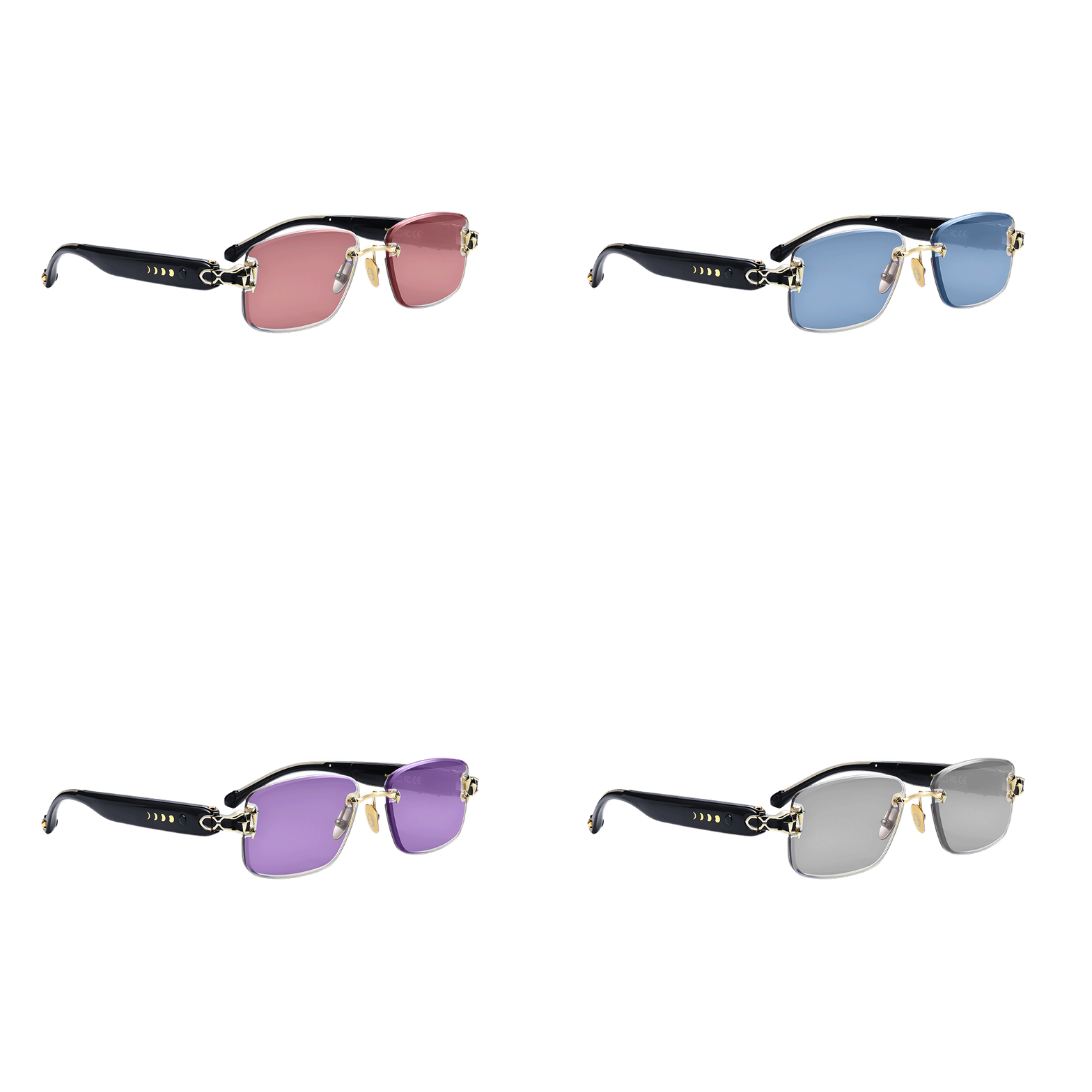
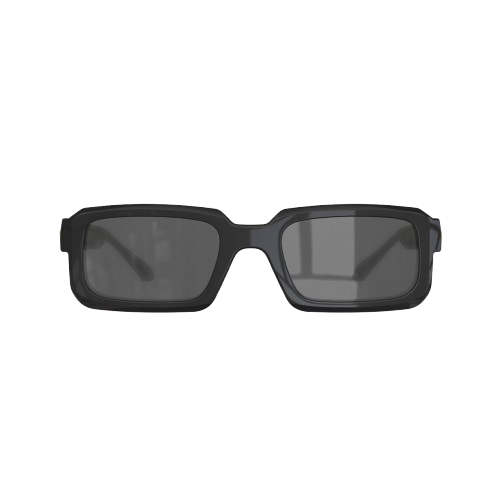
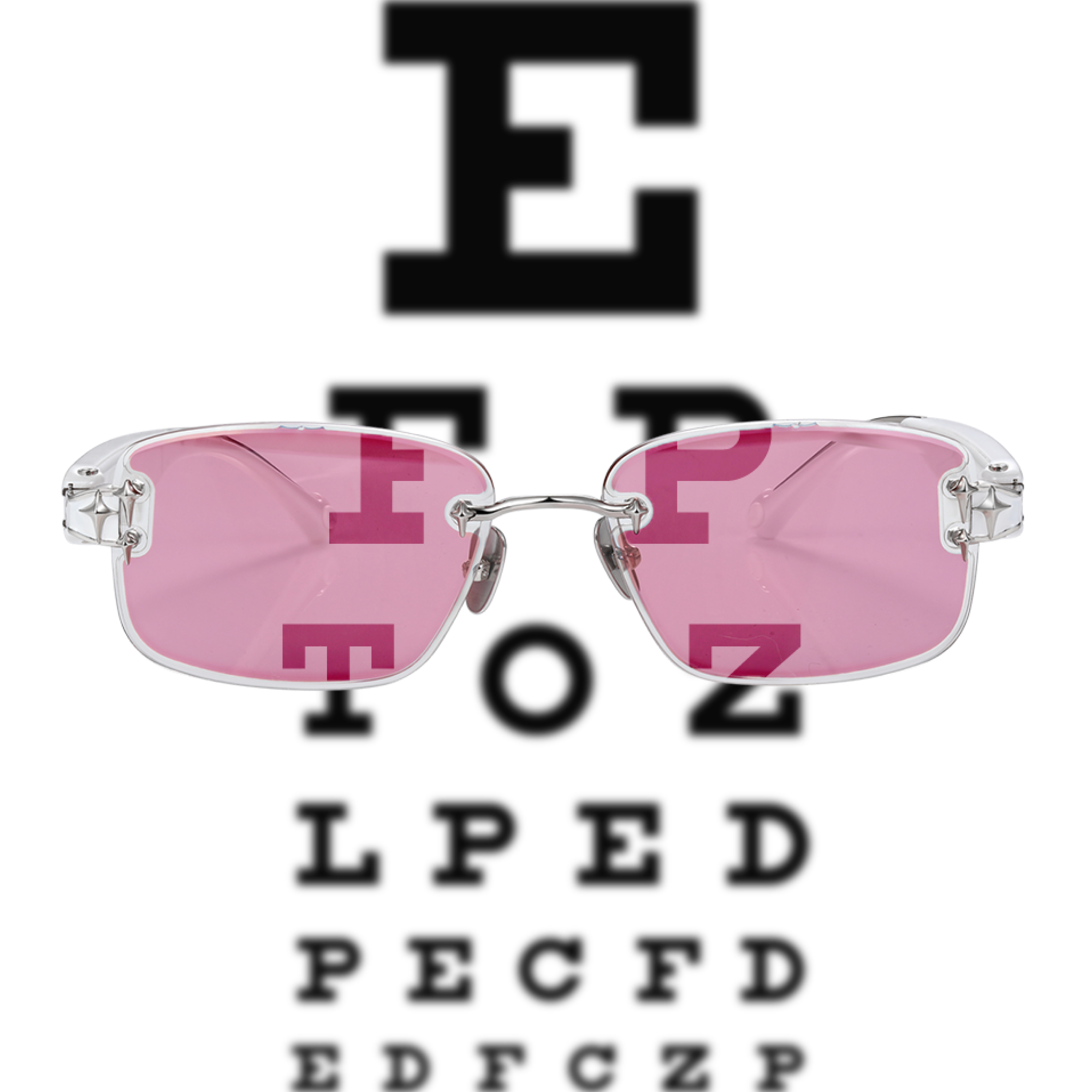
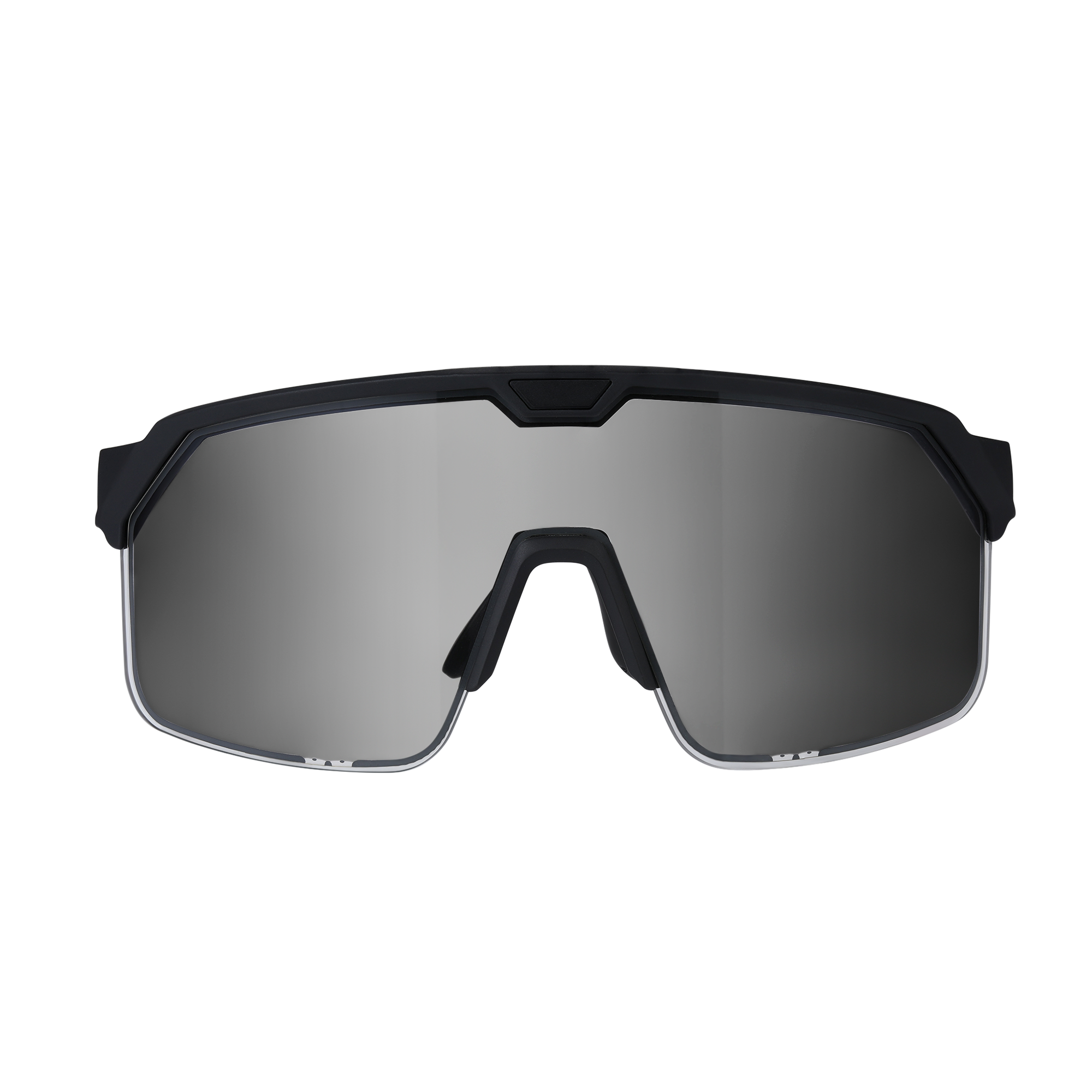
As global buyers evaluate long-term supply chain positioning, the smart audio sunglasses vertical is experiencing rapid structural transformation. Retail buyers, optical chain sourcing managers, and distributor networks must align their inventory strategies with four macro shifts currently dictating buyer demand across global e-commerce and retail channels.

1. Transition from Passive Photochromics to Voltage-Controlled Electrochromics
Consumer feedback across major North American and European retail networks reveals a declining satisfaction with traditional photochromic lenses. End-users demand instant control over their visual environment. The ability to manually dim or brighten lenses via touch gesture, ambient light sensor, or smart app is quickly becoming a non-negotiable procurement standard for high-end optical buyers. Manufacturers lacking electrochromic film integration risk obsolescence in the premium smart eyewear sector.
2. Algorithmic Directional Acoustics vs. Bone Conduction Tech
Early smart glasses heavily relied on bone conduction transducers, which transmitted sound through temporal bone vibrations. However, clinical and field tests confirmed significant wear fatigue, poor acoustic bass response, and discomfort during prolonged athletic use. Future procurement models favor directional open-ear acoustic engineering. By utilizing dual micro-dsp sound chambers positioned above the pinna, sound waves are directed precisely into the auditory canal using destructive interference patterns that cancel outward sound leakage.
3. Modular Frame Architecture & Prescription Optical Integration
Historically, smart sunglasses were sold as fixed consumer electronics gadgets, excluding over 60% of the adult population requiring corrective vision lenses. The market forward trend demands modular Rx compatibility. Sourcing directors look for frames designed with standard optical grooves (such as Chamelo's Aura Rx line) that allow licensed opticians to fit prescription single-vision or progressive lenses directly in front of or inside the electrochromic optical stack without damaging delicate wiring circuits.
4. Extended Lifecycle Battery Management & Fast Magnetic Charging
Battery longevity remains a top customer review metric. Supply chains are phasing out traditional exposed micro-USB ports susceptible to corrosion from perspiration and humidity. The standard has shifted toward sealed, gold-plated magnetic contact charging arrays paired with advanced Lithium-Polymer micro-cells offering up to 6.5 continuous hours of high-volume audio playback and thousands of sub-second electrochromic tint switching cycles.