4.7★ / 9,201 Reviews · 100K+ Customers · TIME Best Invention · Fast & Free Shipping

Discover our CE-compliant, ISO-certified electronic sunglasses featuring active liquid crystal dimming, AI voice integration, directional open-ear audio, and real-time photochromic optical switching.
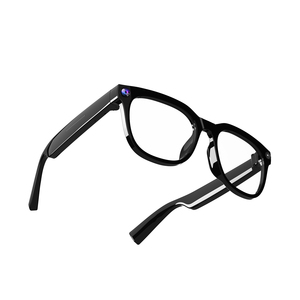
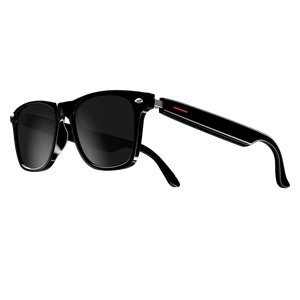
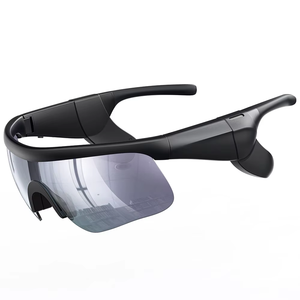
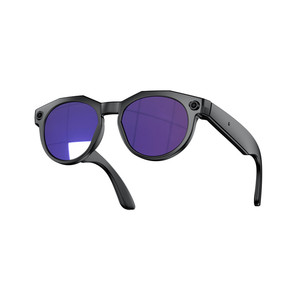
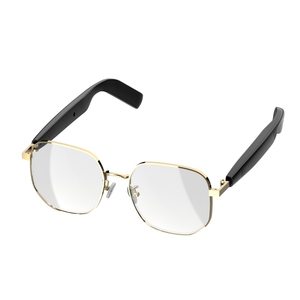
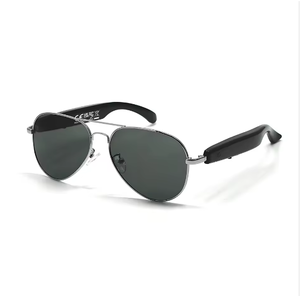
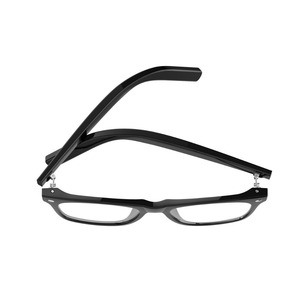
In modern optical engineering, electronic eyewear represents a paradigm shift from passive photochromic lenses to active, digitally regulated light management systems. Legacy chemical photochromic lenses (such as silver halide or oxazine-based optical coatings) rely exclusively on ambient solar UV radiation to trigger a reversible chemical rearrangement. Consequently, photochromic sunglasses suffer from three systemic engineering limitations: temperature dependency (darkening significantly slower in high thermal environments), inability to activate behind UV-blocking automotive windshields, and slow reversion times often requiring up to 3 to 5 minutes to switch back to high Visible Light Transmission (VLT).
As a leading CE certified electronic eyewear factory and OEM supplier, our facility specializes in state-of-the-art Electrochromic (EC) and Polymer-Dispersed Liquid Crystal (PDLC) lamination. Electrochromic lens architectures integrate a multi-layer optical sandwich: dual outer substrates of high-impact optical-grade polycarbonate (PC) or cyclic olefin copolymer (COC), coated with transparent conductive Indium Tin Oxide (ITO) electrodes, encasing a micro-thin liquid crystal or electrochromic polymer film layer.
By applying a regulated low-voltage micro-current (0.8V to 3.3V DC) controlled by temple-integrated microcontrollers, ionic alignment within the film alters light absorption instantly. Visible light transmission shifts from 65% to under 10% in under 0.1 seconds.
Regardless of active tint state or power status, the hard-coated optical laminate blocks 100% of UVA and UVB rays (280nm-400nm) while meeting ANSI Z87.1 high-velocity impact standards and CE EN 166 safety requirements.
Our proprietary micro-circuit topology utilizes bistable or pseudo-bistable electrochromic materials that draw electrical current only during state transitions. A compact 50mAh battery provides days of continuous outdoor tint adaptation.
The modern consumer wearable market demands seamless multi-sensory functionality. Traditional intra-aural earphones block environmental ambient sound, posing severe safety hazards during high-speed road cycling, urban commuting, and tactical outdoor activity. Our OEM/ODM smart eyewear platforms solve this via directional micro-acoustic speaker integration embedded directly inside the frame temples.
Using dual directional acoustic waveguides, sound waves are focused and projected directly toward the wearer's ear canal while generating out-of-phase destructive acoustic waves externally to minimize sound leakage by over 85% at a 0.5-meter radius. This acoustic isolation guarantees private conversational clarity during Bluetooth 5.4 hands-free calls, voice navigation playback, and real-time AI translation without sacrificing environmental situational awareness.
Global buyer data from commercial distributors, luxury optical brands, and consumer electronics retailers indicate a decisive shift toward multi-functional smart eyewear platforms. Procurement teams must navigate four crucial market dynamics to secure high-margin, future-proof product lineups:
Historically, active tint electronic sunglasses were limited to non-prescription Plano wearers. Enterprise buyers must prioritize factories capable of manufacturing Rx-insert carriers or direct prescription lens lamination (Aura Rx class), allowing single-vision, progressive, and reading lenses to sit seamlessly behind electrochromic layers.
Next-generation electronic eyewear must bridge optical hardware with cloud and edge AI ecosystems. Our F01 and translation platform series integrate BLE 5.4 low-latency voice data streaming directly to OpenAI GPT-4o, Google Gemini, and localized multi-lingual translation engines for real-time speech translation and conversational voice assist.
Importing electronic eyewear into North America and the European Union requires stringent dual-domain certification. Hardware must satisfy both EMC/RF standards (CE RED, FCC ID, RoHS 2.0) for Bluetooth radio frequency emission, as well as optical safety standards (EN 12312-1, ISO 12312-1, ANSI Z80.3) for luminous transmittance, spherical power accuracy, and UV cut-off efficiency.
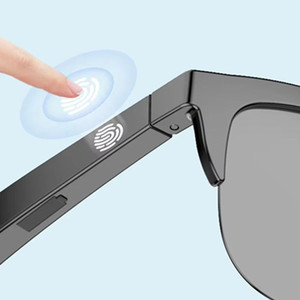
Procurement channels targeting sports performance (cycling, running, golf, watersports) require strict ingress protection. Frame temples feature micro-gasket silicone sealing over PCBAs, hydrophobic acoustic mesh over speaker ports, and capacitive touch sensors replacing mechanical buttons to prevent sweat and moisture intrusion.
As a specialized electronic eyewear manufacturing factory engineered in partnership with top optical research centers, our manufacturing infrastructure is purpose-built to deliver consistent quality at global scale. Unlike general assembly trading houses, our facilities control the complete optical and electronic stack under one roof:
Dust-Free ISO Class 7 Cleanroom Lamination: Electrochromic film lamination is conducted inside strictly regulated cleanrooms to eliminate microscopic dust particles, micro-void bubbles, and optical haze, ensuring clear VLT transparency above 65% in un-tinted states.
Automated Optical Inspection (AOI) & Spectrophotometry: Every batch of finished lenses undergoes 100% automated spectroradiometric scanning across 380nm to 780nm wavelengths to verify exact VLT range, spectral uniformity, color neutrality, and polarization efficiency.
Turnkey Custom Tooling & SDK Firmware Localization: We offer full OEM brand customization, including custom frame aesthetic tooling (TR90, EMS Grilamid, Swiss bio-polymers, aluminum-magnesium alloys), custom Bluetooth pairing strings, localized app UI customization, and branded magnetic charging packaging.
Key technical, compliance, and ordering details for wholesale distributors, brand owners, and retail buyers.
Accelerate your brand's market entry with CE-certified electrochromic technology, patented open-ear acoustics, and high-yield OEM/ODM manufacturing capability. Request factory samples and B2B pricing catalogs today.