4.7★ / 9,201 Reviews · 100K+ Customers · TIME Best Invention · Fast & Free Shipping

Explore top-performing private-label frame lines, ranging from ultra-lightweight TR90 memory polymers to GRS-certified sustainable acetate and dynamic electrochromic smart optics.
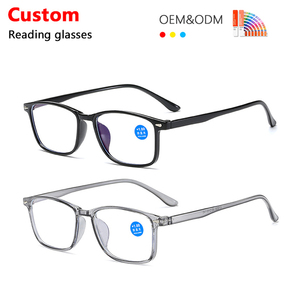
Ultra-flexible TR90 memory polymer prescription frame tailored for reading and prolonged digital display interaction.
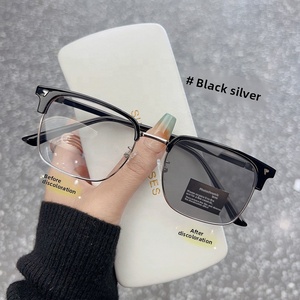
Eco-friendly recycled frame structure designed for workplace ergonomics, screen filtering, and ESG-compliant B2B channels.
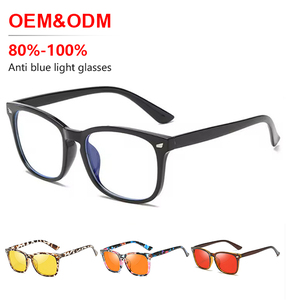
Timeless square profile featuring high-transmission anti-reflective vacuum matrix coating for corporate OEM gifting.
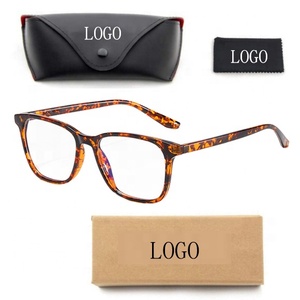
Dual-layer EM wave shielding and blue-light dampening frame engineered for high-density IT and workstation environments.
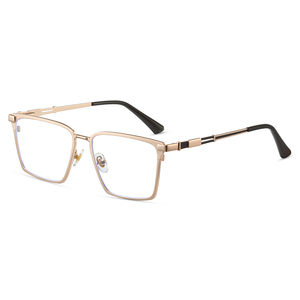
Laser-printed textured temple aesthetics combined with substrate-level blue attenuation monomers for fashion-forward retail chains.
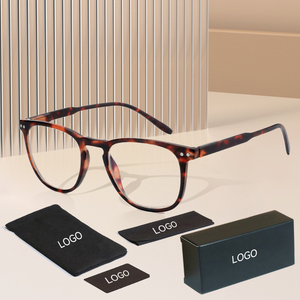
Polycarbonate high-impact shatterproof lenses with multi-layer hydrophobic AR coating for retail prescription glazing.
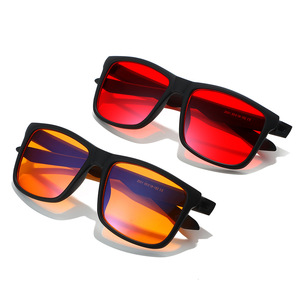
Max-spectrum bio-hacking lens filtering 99% of blue/green wavelengths (400-550nm) to preserve night-time melatonin synthesis.
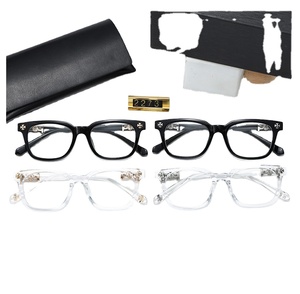
Featherweight unisex frame geometry designed for ergonomic pressure-free wear during prolonged travel and computer tasks.
The global protective eyewear market is experiencing a structural paradigm shift. Driven by expanded screen time, remote enterprise workflows, and heightened consumer awareness regarding high-energy visible (HEV) radiation, blue light blocking eyewear has evolved from a niche computer accessory into a mandatory optical retail category. According to recent photometric industry data, the international demand for targeted spectral filtering frames is projected to compound at a CAGR of 8.4% through 2030.
However, B2B procurement managers and optical brand owners face a rapidly shifting manufacturing landscape. Traditional surface-coated lenses are increasingly rendered obsolete by in-monomer substrate attenuation technology, while smart electrochromic optics—pioneered by advanced optic centers in Japan and China—are introducing dynamic light control previously unseen in standard refractive frames.
Modern procurement demands organic blue-blocking monomers blended directly into lens polymers (CR-39, Polycarbonate, or High-Index 1.60/1.67 resin) rather than scratch-prone surface coatings.
Next-generation smart eyewear integrates liquid crystal or electrochromic films, enabling instant tap-to-tint VLT adjustments from 65% to 4% while maintaining 100% UV400 and HEV blue filtering.
European and North American regulatory bodies are incentivizing GRS (Global Recycled Standard) certified eco-acetates and bio-based TR90 frames to fulfill corporate sustainability mandates.
When selecting an OEM partner or factory partner for anti-blue light eyewear, optical distributors must evaluate the physical properties of the optical substrate against application requirements. Below is an engineering benchmark breakdown:
| Optical Specification | Surface Vacuum AR Coating | Substrate Monomer Integration | Electrochromic Dynamic Matrix |
|---|---|---|---|
| HEV Blue Cutoff Range | 380nm – 420nm (Reflective) | 380nm – 450nm (Absorptive) | 380nm – 460nm + Dynamic VLT |
| Light Transmittance (VLT) | 92% - 95% High Clarity | 85% - 90% (Subtle Amber Shift) | Dynamic: 65% Clear to 4% Dark Tint |
| Durability & Scratch Resistance | Moderate (Depends on Hard Coat) | Permanent (Immune to surface scratches) | High (Laminated PC Sandwich) |
| Circadian Protection (Melatonin) | Low (Filters ~15-25% HEV) | High (Filters 40-99% targeted blue) | Adaptive (Active user-controlled adjustment) |
| Target Sourcing Market | Mass Retail / Budget Computer Eyewear | Rx Optical Shops / Bio-Hacking Brands | Flagship Smart Wearables & Premium Sport |
Our OEM manufacturing frameworks align with parameters established by leading ophthalmic specialists, including sports team doctors such as Dr. Jay Schwartz (team physician for NBA and MLB franchises). Lens stacks undergo rigorous UV-Vis spectrophotometry to ensure zero spherical distortion, exact spectral attenuation, and full ISO 12312-1 / ANSI Z80.3 compliance.
The standard 400-420nm filter is no longer sufficient for specialized performance wellness brands. Modern consumers are looking for targeted 450-480nm filtering—the precise peak wavelength that stimulates melanopsin receptors in retinal ganglion cells, signaling the brain to suppress melatonin production. Leading factories now produce specialized amber and orange tinted PC lenses (such as the XY2001 platform) designed to block up to 99% of light in the 400-550nm spectrum, catering to gaming, shift-work, and bio-hacking market segments.
Frame composition dictates comfort and warranty return rates. OEM buyers are increasingly moving away from cheap polycarbonate frames toward Grilamid TR90 memory polymers. TR90 offers exceptional flexural strength (flex modulus of 1700-2100 MPa), lightweight ergonomics, and thermal stability. Simultaneously, GRS-certified recycled acetates are gaining immense traction in high-end optical boutiques focused on carbon-neutral product lifecycles.
The boundaries between traditional optical frames and consumer electronics are dissolving. As highlighted by award-winning platforms like Chamelo Smart Eyewear (recognized as one of TIME’s Best Inventions), electrochromic films allow users to tap the frame temple to adjust tint darkness or switch lens colors dynamically (Prismatic™ color shift technology). Combining electrochromic blue-light blocking matrices with open-ear directional Bluetooth micro-audio drivers represents the fastest-growing OEM category in personal technology.
Common technical and operational questions encountered by procurement managers during OEM/ODM factory sourcing:
Monomer filtering infuses light-absorbing organic compounds directly into the liquid resin before lens polymerization, offering permanent protection that cannot scratch off. AR surface coating applies a thin multi-layer dielectric vacuum film that reflects specific wavelengths off the outer lens surface.
Standard ready-to-ship TR90 stock frames typically carry low MOQs starting from 50–100 units per colorway with custom silk-screened logos. Fully customized OEM frame molds or bespoke optical colorways generally require 300 to 1,000 units per batch.
Yes. The majority of our TR90 and optical PC frame architectures feature deep lens grooves and cold-insert bevel profiles, allowing optometrists and optical labs to easily fit single-vision, progressive, or reading prescription lenses.
To ensure seamless international customs compliance, our manufacturing facilities adhere to ISO 13485 medical device quality systems. Products meet CE, FDA registration, ANSI Z80.3 impact resistance, EN ISO 12312-1 optical standards, and RoHS/REACH chemical compliance.
Electrochromic thin-film matrices utilize bistable or ultra-low voltage impulse driving circuits. Power is only drawn during the exact sub-second transition state, allowing integrated batteries to provide days or weeks of passive tint control on a single USB-C charge.
Absolutly. Full private-label packaging support includes laser-etched lens corner logos, custom stamped microfiber cleaning cloths, hard shell storage cases, eco-friendly kraft retail boxes, and customized anti-blue test cards for retail presentation.
Partnering with a dedicated anti-blue light eyewear manufacturer grants brand owners direct access to industrial production capabilities, cleanroom coating infrastructure, and rapid prototyping capabilities: