4.7★ / 9,201 Reviews · 100K+ Customers · TIME Best Invention · Fast & Free Shipping

Precision-engineered OEM/ODM optical platforms featuring liquid-crystal electrochromic tinting, open-ear audio fusion, and custom Rx insertion capabilities.

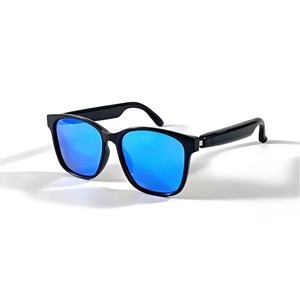
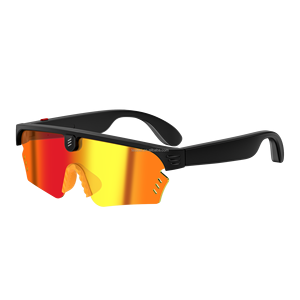
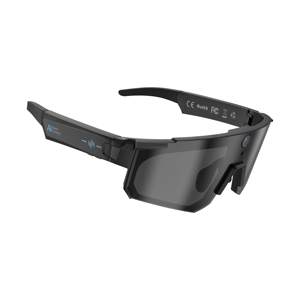

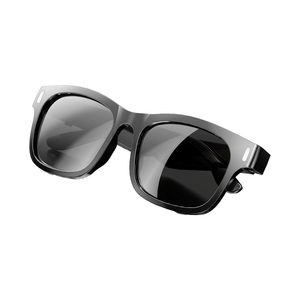
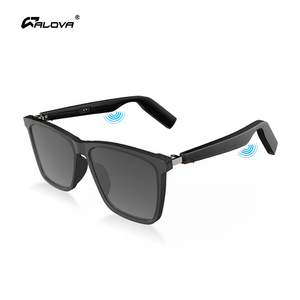
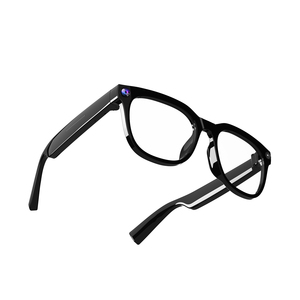
The global eyewear manufacturing landscape is undergoing a radical paradigm shift. Traditional prescription frames and static tinted sunglasses are rapidly converging with active electrochromic film technology, micro-acoustics, and AI-driven wearable computing. For wholesale procurement directors, global brand distributors, and retail chain buyers, selecting a tier-1 prescription eyewear manufacturer and supplier requires looking beyond basic frame stamping and simple lens edging.
Today’s high-growth market demands complete OEM/ODM technical integration. Manufacturers must possess advanced cleanroom facilities for multi-layer lens lamination, automated CNC frame sculpting, strict optical power tolerance testing, and miniaturized PCB electronics integration. By combining Japanese-engineered liquid-crystal electrochromic stacks (such as sub-second tap-to-tint Eclipse™ and multi-palette Prismatic™ technologies) with high-index corrective vision lenses (single vision, progressive, and reading options), leading optical factories now empower B2B buyers to capture market share across sports performance, luxury lifestyle, and medical vision care sectors.
To evaluate manufacturing capability across international supply networks, the following benchmark comparison outlines how top-tier prescription optics facilities align across essential manufacturing metrics, engineering certifications, and product technological depth.
| Supplier Category / OEM Tier | Primary Tech Capability | Rx Lamination Precision | Tint Switching Speed | Water Resistance | Compliance Standards |
|---|---|---|---|---|---|
| Tier-1 Smart Optics (Our OEM Platform) | Electrochromic + Open-Ear Audio + Rx | ±0.01 D Micron-Tolerant | < 0.1 to 1.0 Second | IPX4 / IPX5 Rated | ISO 13485, CE, FDA, FCC, RoHS |
| Traditional Luxury Rx Factories | Acetate & Titanium CNC Stamping | Standard Optical Edging | N/A (Static Lenses) | N/A | ISO 9001, CE, FDA |
| Consumer Audio Smart Glass Suppliers | Bluetooth Audio + injection frames | Outer Rx Clips Only | N/A | IPX2 / IPX4 | CE, FCC, RoHS |
| Legacy Photochromic Suppliers | UV-Chemical Reactive Coatings | Integrated Cast Resin | 30 - 120 Seconds | N/A | ISO 8980, CE |
| Boutique Smart Glass Assemblers | Camera / Micro-display integration | Surface-Mount Secondary Insert | N/A | IPX2 | CE, FCC |
As a master-tier manufacturer, staying at the forefront of prescription smart eyewear engineering requires continuous R&D investment across material science, micro-electronics, and specialized optics lamination. Modern procurement contracts prioritize suppliers who master the following core technological vectors:
Unlike photochromic dyes that depend on UV light intensity and ambient temperature, electronically controlled electrochromic films adjust visible light transmission (VLT) instantly via capacitive touch or ambient light sensor triggers. Lamination inside high-index polycarbonate ensures zero delamination risk across extreme climates.
Modern audio smart frames replace intrusive ear tips with open-ear directional sound chambers integrated seamlessly into ultra-slim frame temples. Sound leakage reduction algorithms ensure private call quality while maintaining situational awareness for outdoor athletics and daily transit.
By engineering specialized prescription carrier bays behind the active electrochromic film assembly, wearers enjoy customized single-vision, bifocal, or progressive lens corrections ranging from -6.00D to +4.00D without sacrificing dynamic tint functionality or aesthetic sleekness.
High-efficiency micro-controllers draw power only during lens state transitions, offering weeks of tint control on a single magnetic charge. Ultrasonic enclosure welding guarantees robust IPX4 to IPX5 water and sweat resistance for intense sports environments.
Procurement teams for major optical chains, outdoor sport brands, and consumer electronics distributors are restructuring their vendor requirements. Based on industry data and market shifts, four key supply chain trends dominate B2B sourcing strategies:
Distributors are consolidating inventory. Rather than offering separate SKUs for clear prescription glasses, polarized sunglasses, and audio headsets, buyers are prioritizing all-in-one smart frame platforms. A single multi-functional SKU significantly reduces inventory holding costs while delivering a higher retail price point.
Speed-to-market has become the primary metric for brand competitiveness. Leading prescription eyewear manufacturers must provide rapid 3D prototyping, modular PCB template integration, and custom acetate molding within 21 to 30 days from initial industrial design (ID) lock.
With smart eyewear blurring the boundary between consumer electronics and medical vision care devices, global customs authorities require comprehensive compliance documentation. Factories must provide certified test reports covering ISO 13485 quality systems, FDA registration, CE Mark optical safety, FCC RF emission compliance, and REACH/RoHS material safety.
ESG compliance is now mandatory for enterprise tier-1 supply chains. Preferred suppliers are transitioning to bio-based, petroleum-free cellulose acetates and recycled aero-grade titanium alloys, reducing the overall carbon footprint of frame production by up to 40%.
Backed by world-class optical engineering teams, patented electrochromic technology engineered in Japan, and global recognition (including TIME's Best Inventions and multiple CES Innovation Awards), our manufacturing network delivers uncompromised reliability for B2B partners worldwide.
Consulted and validated by leading sports medical specialists—such as Dr. Jay Schwartz (Team Doctor for professional basketball and baseball teams)—our lens contrast curves and ergonomic weight distribution are optimized for elite athletic safety and eye health.
Every prescription smart frame undergoes rigorous quality control checks: automated optical lens bench analysis (sphere, cylinder, axis, prism), drop-ball impact resistance, ultrasonic water immersion, and thermal shock testing from -20°C to 65°C.
From custom logo laser engraving on frame temples and capacitive sliders to bespoke luxury hard cases, retail presentation boxes, and multi-lingual user instruction manuals, we deliver turn-key product packages ready for immediate shelf placement.
Connect directly with our engineering and procurement team for custom OEM/ODM consultations, sample requests, and wholesale tier pricing schedules.
Here are authoritative answers to the most common questions raised by optical buyers, sourcing managers, and product managers when qualifying our manufacturing platform.
Our proprietary manufacturing architecture places an ultra-thin electrochromic (EC) liquid-crystal film layer between optical-grade outer protective polycarbonate shells. Corrective prescription power (single vision, progressive, or reading) is bonded directly behind the EC stack or inserted into a precision-engineered optical bay. This guarantees that corrective visual clarity remains completely stable while visible light transmission (VLT) shifts instantly.
For standard white-label platforms utilizing our existing tooling and frame molds, MOQ starts as low as 200–500 units per SKU. For fully custom ODM projects requiring bespoke frame industrial design, tooling development, and custom PCB layout, MOQ typically starts at 1,000 to 2,000 units depending on technical specifications.
VLT ranges vary depending on the optical system selected: Eclipse™ dynamic tinting ranges from roughly 65% VLT (clear/light tint for low light) down to 17% or 4% VLT (deep tint for bright sunlight). Prismatic™ color-changing systems shift across four distinct chromatic palettes within a single lens stack. All lens configurations block 100% of UVA and UVB radiation.
Our manufacturing plants are certified under ISO 13485 (Medical Devices Quality Management) and ISO 9001. Finished eyewear products comply fully with CE (EN 17312 / EN ISO 12312-1), FDA medical device registration, FCC RF electronics certification, RoHS hazardous material restriction, and IPX4/IPX5 water-ingress protection tests.
Because liquid-crystal electrochromic film requires micro-ampere electrical pulses only when changing molecular alignment (state change), standby power consumption is negligible. A single magnetic charge provides weeks of tint-switching operation or up to 6–8 hours of continuous Bluetooth audio playback on smart audio platforms.
Evaluation samples of existing stock platforms are dispatched within 3 to 5 business days. Custom OEM prototype samples with custom laser logos are delivered in 10 to 14 days. Full-scale mass production lead time is typically 30 to 45 days post-sample sign-off and deposit confirmation.