4.7★ / 9,201 Reviews · 100K+ Customers · TIME Best Invention · Fast & Free Shipping

Explore our flagship OEM/ODM acetate sunglasses collections, engineered with hand-polished cellulose acetate, OBE German hinges, and polarized UV400 protective optics.
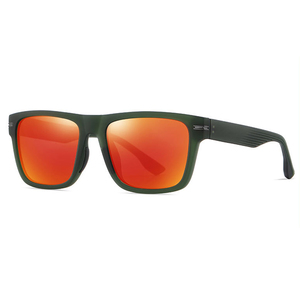
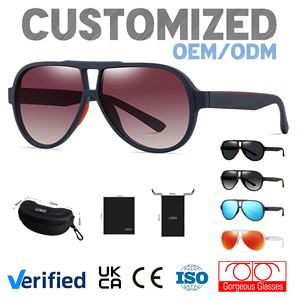
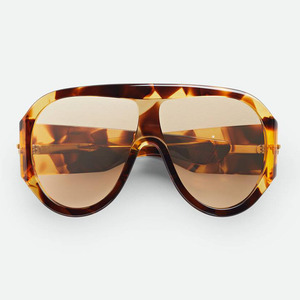
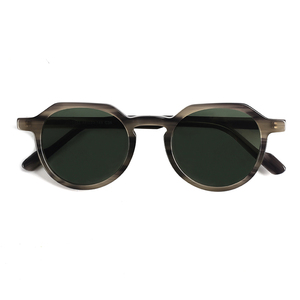
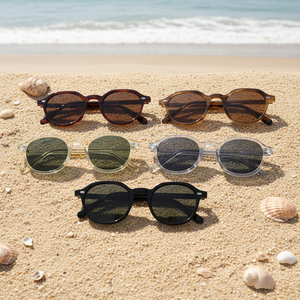
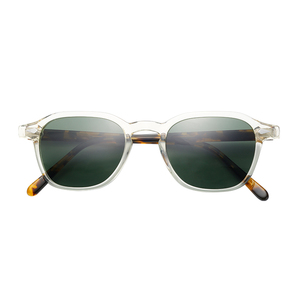
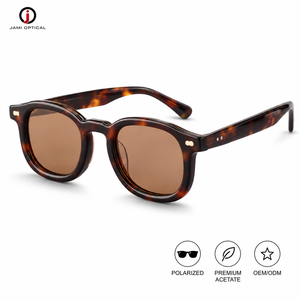
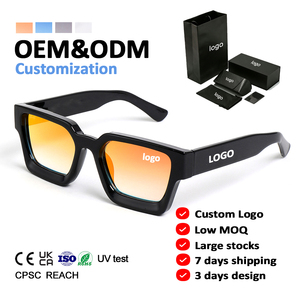
The global eyewear ecosystem is undergoing a dramatic paradigm shift. As international fashion houses, independent boutique eyewear brands, and commercial distributors seek unprecedented combinations of material elegance, structural durability, and supply chain agility, China has solidified its status as the world's premier hub for high-end cellulose acetate eyewear manufacturing. Once dominated primarily by high-volume injection plastic moulding, China’s optical manufacturing landscape—centered in specialized clusters such as Shenzhen (Henggang), Wenzhou, and Danyang—now produces over 70% of the world's premium handmade cellulose acetate frames.
Cellulose acetate, a plant-based biopolymer derived from renewable cotton linters and wood pulp, represents the pinnacle of luxury frame materials. Unlike petroleum-derived injection plastics (such as PC or standard CP), high-grade block acetate delivers unparalleled depth of color, tactile warmth, hypoallergenic biocompatibility, and structural memory that permits opticians to perform precise heat-adjustments for perfect anatomical fitting. This comprehensive industry white paper explores the critical engineering parameters, raw material sourcing strategies, 2026+ procurement trends, and supplier selection criteria required for international buyers to navigate the top China acetate sunglasses factories effectively.
Key Strategic Insight: Sourcing acetate eyewear in 2026 requires looking beyond superficial frame aesthetics. Leading international brands evaluate suppliers based on their 5-axis CNC machining tolerance (±0.05mm), raw sheet curing duration (minimum 72-hour oven aging), and compliance with emerging global eco-certifications such as ISCC PLUS and ISO 14855 bio-degradability standards.
Understanding the micro-specializations of China's optical manufacturing regions is essential for optimizing price-to-quality ratios and matching brand positioning with the appropriate factory infrastructure.
| Manufacturing Hub | Core Specialization | Primary Material Focus | Target Market Segment | Average Lead Time |
|---|---|---|---|---|
| Shenzhen (Henggang) | Handmade Luxury OEM/ODM, 5-Axis CNC Milling | Mazzucchelli, JWE, Premium Cellulose Acetate | High-End Luxury, Boutique Designer Brands | 45 – 60 Days |
| Wenzhou (Ouhai) | Medium-to-High Volume Fashion Sunglasses | Domestic Acetate, TR90, CP Hybrids | Fast Fashion Chains, Global E-commerce Brands | 35 – 45 Days |
| Danyang (Jiangsu) | Lens Technology & Precision Metal Hardware | TAC Polarized, Nylon, Glass, Acetate Trim | Mass Market, Promotional & Sports Optics | 25 – 35 Days |
| Xiamen (Fujian) | High-Wrap Sports Optics & Injection Frames | TR90, Polycarbonate, Acetate Details | Active Sports, Cycling & Performance Eyewear | 30 – 40 Days |
Shenzhen’s Henggang district is universally recognized by global optical executives as the benchmark for luxury frame production. Hosting state-of-the-art facilities equipped with German and Italian CNC milling machinery, Shenzhen factories specialize in complex acetate laminations, multi-layer sheet fusing, custom wire-core insertion, and meticulous hand-finishing. Brands targeting retail price points between $150 and $450+ routinely partner with Shenzhen OEMs due to their master artisan workforce and rigorous internal AQL 1.0 quality control protocols.
For mid-tier commercial retail and rapidly scaling direct-to-consumer (D2C) channels requiring minimum order quantities (MOQs) starting from 300 to 500 units per colorway, Wenzhou provides an exceptionally balanced supply chain. Wenzhou suppliers excel in integrating high-grade domestic acetate sheets with rapid tooling turnarounds. Meanwhile, Danyang offers unparalleled advantages in prescription lens integration, anti-reflective coatings, and polarized filter lamination, making it an indispensable component of China's total optical infrastructure.
Procurement directors must articulate clear material distinctions when building product lines. Below is a deep-dive technical comparison explaining why premium acetate commands a market premium over conventional injection plastics.
Top China acetate sunglasses suppliers adhere to a multi-stage manufacturing workflow that merges computerized automation with artisanal craftsmanship:
Environmental regulations such as the EU Green Claims Directive and consumer demand for sustainable luxury are driving a rapid transition toward Bio-Acetate. Conventional acetate utilizes diethyl phthalate plasticizers; bio-acetate replaces these petroleum additives with plant-derived organic plasticizers. The resulting material is certified bio-based (ISO 16620), contains zero phthalates, and degrades into carbon dioxide, water, and biomass within 115 days under industrial composting conditions (ISO 14855), all while retaining identical transparency, polishability, and tactile warmth as classic acetate.
As smart eyewear evolves beyond bulky plastic gadgets, leading Chinese manufacturers are successfully embedding ultra-thin electronic tint-changing films (electrochromic lenses) and miniature open-ear audio drivers inside hand-crafted acetate frames. Brands like Chamelo have pioneered instant tap-to-tint control, allowing wearers to adjust visible light transmission (VLT from 65% down to 4%) in less than one second. Sourcing partners capable of integrating micro-printed circuit boards and capacitive temple touch-pads within slim acetate profiles represent the absolute vanguard of B2B eyewear manufacturing.
Current fashion cycles demand bold, heavy-gauge acetate frames (ranging from 6mm to 10mm thick front rims) featuring deep TV-cut beveling, sculpted keyhole bridges, and 3D architectural profiles. Producing thick-gauge acetate without introducing air bubble defects or excessive frame weight requires advanced internal chambering techniques and lightweight hollowed wire-core temple engineering—capabilities perfected by top-tier Chinese OEM suppliers.
For custom handmade acetate sunglasses utilizing standard in-stock acetate sheet colors, MOQs generally start at 300 to 500 pieces per model (split across 2 to 3 colorways, e.g., 100-150 pcs per color). If your design requires fully customized, exclusive acetate sheet patterns (custom tortoise or specific Pantone color laminations from mills like Mazzucchelli or JWE), raw sheet extrusion mills require a minimum material order that equates to roughly 600 to 1,000 pieces per custom acetate color pattern.
Reputable OEM suppliers operate internal optical testing laboratories equipped with spectrophotometers and lens power meters. Lenses undergo systematic testing against international optical standards, including ISO 12312-1 (European Union CE mark), ANSI Z80.3 (USA FDA standard), and AS/NZS 1067.1 (Australia/New Zealand). Standard testing verifies 100% blocking of wavelengths up to 400 nanometers (UVA/UVB), prismatic refraction limits, impact resistance (FDA drop-ball test), and zero polarization distortion.
The standard production cycle for premium acetate sunglasses involves:
• CAD Blueprint & 3D Prototyping: 7 to 10 Days
• Physical Sample Master Approval: 15 to 25 Days
• Raw Material Sheet Aging & CNC Cutting: 20 to 25 Days
• Assembly, Tumbling, Polishing & QC: 25 to 30 Days
Overall mass production lead time typically ranges from 45 to 60 days following sample confirmation and deposit receipt. Shipping via express air takes 5–7 days, while sea freight takes 25–35 days.
To maximize brand positioning and retail price realization, leading options include:
1. Metal Logo Inlay / Hardware Monogram: Micro-cast metal logos pin-riveted directly into the acetate temple.
2. Internal Wire-Core Laser Etching: Custom geometric patterns or brand typography laser-etched onto the stainless steel wire core before temple acetate injection, visible through translucent acetate.
3. Deep Fiber Laser Engraving with Metallic Foil Fill: Precision CNC engraving filled with gold, silver, or matte lacquer inside the inner temple arm.
Warpage prevention depends on raw sheet curing. Ensure your factory conducts mandatory 72-hour oven baking of raw acetate sheets prior to milling to equalize residual stress. To prevent hinge loosening, specify high-end OBE (Germany) or Visottica (Italy) nickel-free 5-barrel or 7-barrel hinges fitted with Teflon-coated screws or thread-locking compound that resists vibration and repeated temple flexing.
Yes. Contemporary advanced OEM factories can hollow out internal acetate temple cavities using 5-axis micro-milling to house compact lithium-ion batteries, Bluetooth 5.3 audio chips, micro-speakers, and touch-capacitive sensors. Furthermore, flexible electrochromic tint layers can be laminated directly between optical lenses, giving traditional acetate frames cutting-edge smart functionality.
As a leading Chinese acetate sunglasses manufacturer and exporter, our production facilities combine traditional hand-craftsmanship with modern German optical engineering. We partner with fashion labels, department store chains, optical wholesale groups, and D2C innovators worldwide to deliver retail-ready eyewear solutions tailored to exact brand specifications.
Request our complete 2026 B2B product catalog, order sample swatches, or consult directly with our senior OEM manufacturing specialists.